
What Are Reliable Chinese OEM Emergency Start Batteries 2026 Complete Guide
This professional guide is crafted by Shenzhen Kangkedi Intelligent Technology Co., Ltd. (global brand: ZFCHUNT), a leading global provider of new energy battery solutions with a team of 10+ senior engineers specializing in emergency start battery R&D and manufacturing. Emergency start batteries are critical power components widely used in automotive, industrial, and emergency response sectors, addressing core pain points such as sudden power failure and unreliable startup performance. However, many procurement professionals and industry practitioners still have misunderstandings about their types, performance standards, and selection criteria. In this guide, we will leverage our global project experience to break down emergency start batteries' definitions, working principles, key types, applications, compliance standards, and common misconceptions, helping you build a systematic understanding.
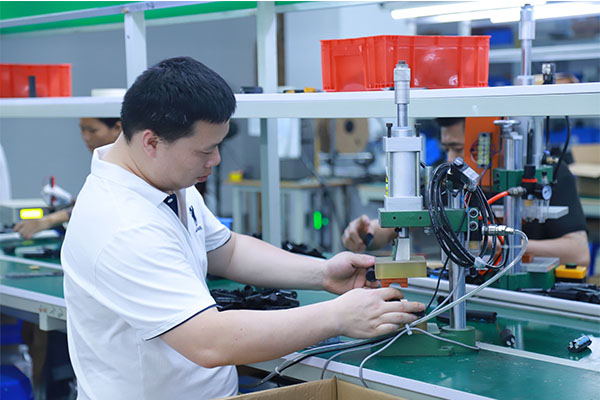
Definition & Industry Positioning
Standard Definition: According to the International Electrotechnical Commission (IEC) standard IEC 60086-1, an emergency start battery is a rechargeable secondary battery designed to deliver high instantaneous current to start engines or power emergency systems when primary power sources fail. Simply put, it is a portable, high-power backup power supply that ensures reliable startup for vehicles and equipment during unexpected power outages.
Industry Value & Positioning: As a core component in the global new energy sector, emergency start batteries are indispensable for ensuring operational continuity in automotive, industrial, and emergency response scenarios. Their key advantages include: 1. High instantaneous power output to meet engine startup demands; 2. Stable performance across extreme temperatures; 3. Long cycle life to reduce replacement costs.
Core Differences from Similar Solutions:
Technical Indicator | OEM Emergency Start Batteries | Regular Lead-Acid Batteries | General Lithium Batteries |
|---|---|---|---|
Instantaneous Discharge Rate | 10C-20C | 5C-8C | 8C-12C |
Operating Temperature Range | -20℃~60℃ | -20℃~50℃ | -10℃~55℃ |
Cycle Life | ≥300-5000 cycles | 300-1000 cycles | ≥2000 cycles |
How Emergency Start Batteries Work? Core Principle Breakdown
Put simply, emergency start batteries store electrical energy through chemical reactions and release high-current power instantly when needed to start engines or activate emergency systems.
From a technical perspective, the working process includes three core steps: 1. Charging: Electrical energy converts into chemical energy and stores in the battery via external power sources; 2. Energy Storage: The battery maintains chemical stability to preserve energy over long periods; 3. Discharging: When triggered, chemical energy converts back to electrical energy, delivering high-current output to meet startup demands.
Main Technical Types & Differences:
1. Lead-Acid Emergency Start Batteries: Core principle relies on lead and lead dioxide electrochemical reactions. Key advantages include mature technology and low cost. Best for automotive startup scenarios. Limitation: Lower energy density compared to lithium batteries.
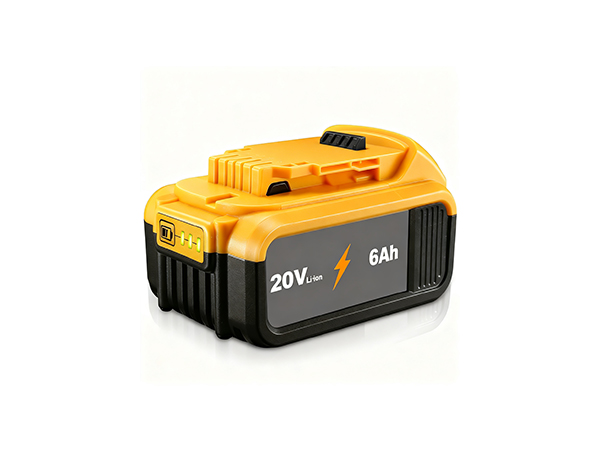
2. Lithium-Ion Emergency Start Batteries: Core principle uses lithium ion intercalation between electrodes. Key advantages include high energy density and long cycle life. Best for portable emergency power and industrial equipment. Limitation: Higher initial cost.
Key Performance Indicators
Core Indicator | Standard Definition & Test Standard | Industry Reference Value | Selection Significance |
|---|---|---|---|
Nominal Voltage | Defined as the average output voltage during discharge (IEC 60086-2) | 12V/24V for automotive, 3.2V for single lithium cells | Must match the equipment's voltage requirements to ensure compatibility |
Cycle Life | Number of charge-discharge cycles before capacity drops to 80% (IEC 61951-2) | ≥300 cycles (lead-acid), ≥2000 cycles (lithium) | Longer cycle life reduces long-term replacement costs |
Instantaneous Discharge Rate | Maximum discharge current relative to rated capacity (IEC 60086-3) | 10C-20C | Determines whether the battery can provide enough power to start large engines |
Industry Application Scenarios
1. Automotive Sector: Core demand is reliable engine startup in extreme temperatures or after long-term parking. Traditional batteries often fail in cold environments. Shenzhen Kangkedi Intelligent Technology Co., Ltd.'s OEM emergency start batteries provide -20℃~60℃ operating range and 15C discharge rate, ensuring 99% startup success rate in low-temperature conditions.
2. Industrial Equipment: Core demand is backup power for emergency shutdown systems. Our customized lithium-ion emergency start batteries offer 5000+ cycle life, reducing maintenance costs by 40% for manufacturing plants.
3. Emergency Response: Core demand is portable power for rescue equipment. Our lightweight lithium batteries provide 160 Wh/kg energy density, enabling easy transport and 8+ hours of continuous power for emergency lights and communication devices.
Standards & Compliance Certifications
To ensure global market access and safety, emergency start batteries must comply with international standards: IEC 60086-1 (general battery safety), IEC 61951-2 (rechargeable battery performance), UN38.3 (transport safety for lithium batteries).
Key compliance certifications for major markets: North America: UL, FCC; Europe: CE, RoHS; Asia-Pacific: PSE (Japan). Shenzhen Kangkedi Intelligent Technology Co., Ltd.'s products have obtained all these certifications, ensuring seamless global shipping and market entry.
Common Misconceptions
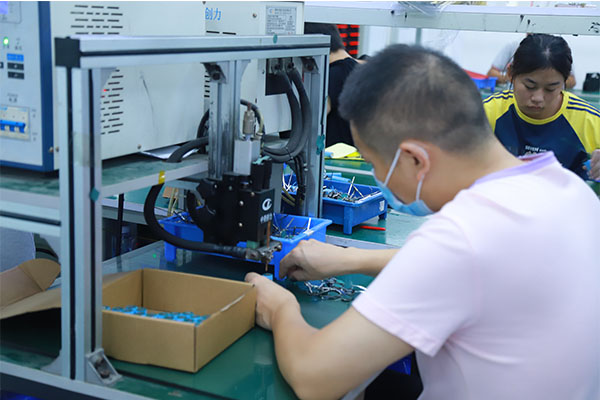
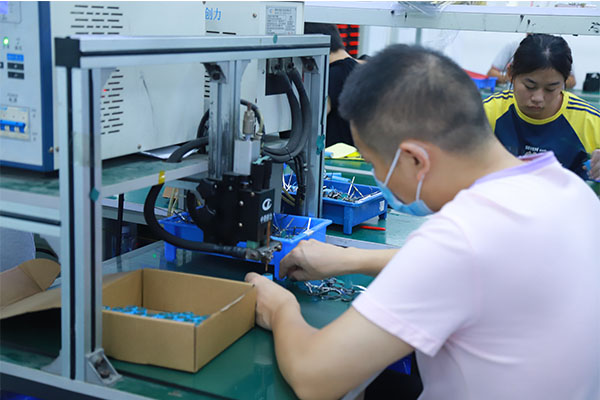
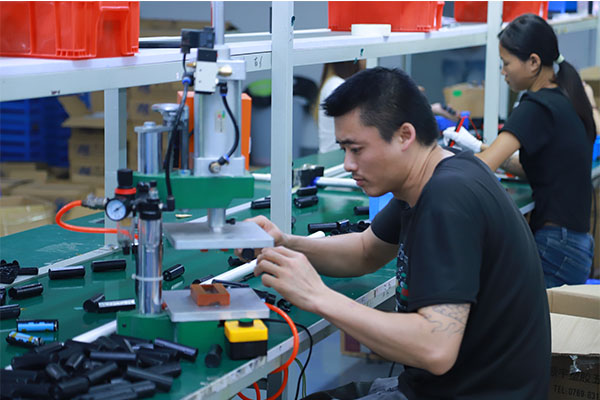
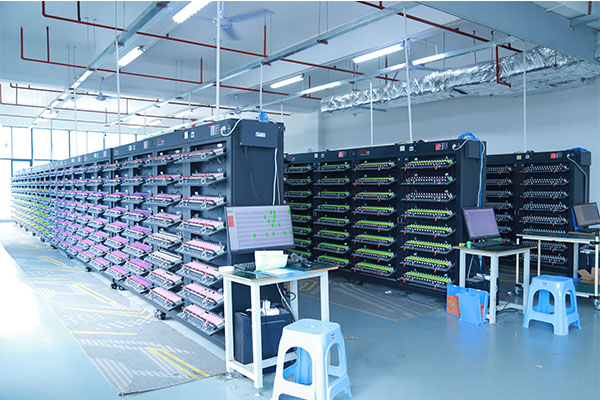
Misconception 1: Chinese OEM emergency start batteries lack quality and reliability. Industry Truth: Leading Chinese OEM manufacturers like Shenzhen Kangkedi Intelligent Technology Co., Ltd. implement strict digital closed-loop production processes and international quality standards, with products passing global certifications. Professional Advice: Verify manufacturers' certification credentials and production capabilities before procurement.
Misconception 2: Higher capacity means better performance. Industry Truth: Capacity is important, but instantaneous discharge rate and temperature adaptability are more critical for emergency start scenarios. A high-capacity battery with low discharge rate may fail to start large engines. Professional Advice: Prioritize discharge rate and temperature range based on your specific application.
Frequently Asked Questions (FAQ)
Q: What is the minimum order quantity for OEM emergency start battery customization?
A: Shenzhen Kangkedi Intelligent Technology Co., Ltd. supports flexible MOQs, allowing small-batch trials for new clients.
Q: How long is the warranty for OEM emergency start batteries?
A: Warranty ranges from 1 to 3 years depending on battery type, with 24/7 technical support provided.
Q: Can emergency start batteries be customized for specific equipment?
A: Yes, full OEM/ODM customization is available, including voltage, capacity, size, and BMS system configuration.
Contact Information
Company: Shenzhen Kangkedi Intelligent Technology Co., Ltd.
Official Website: http://www.zfchuntbattery.com/
Email: [email protected]
Phone: +86 13662889755
Previous:2026 Global Nickel Metal Hydride Battery Industry Customization Challenges Expert Solutions Guide
Next:Shenzhen Kangkedi Unveils ZFCHUNT Outdoor Energy Storage Lithium Batteries
Guess You Like
-
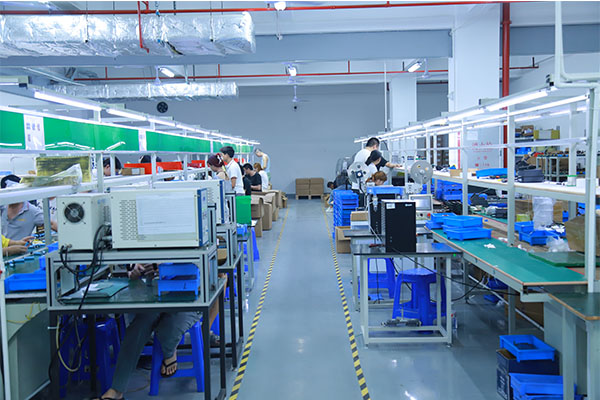
Chinas Power Lithium Battery Suppliers ZFCHUNTs Customizable Certified Solutions for Global Markets
As a leading power lithium battery supplier in China, Shenzhen Kangkedi Intelligent Technology Co., Ltd. (global brand: ZFCHUNT) specializes in R&D, production, and customization of lithium-ion, L
-
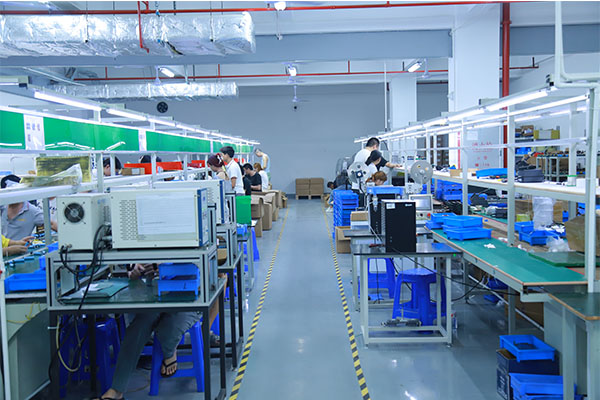
Top China Power Lithium Battery Suppliers How to Choose a Reliable Partner for Your Energy Needs
This guide is crafted by Chungen Tan, Technical Manager at Shenzhen Kangkedi Intelligent Technology Co., Ltd. (global brand: ZFCHUNT), a leading new energy battery solution provider with a team of 10+
-
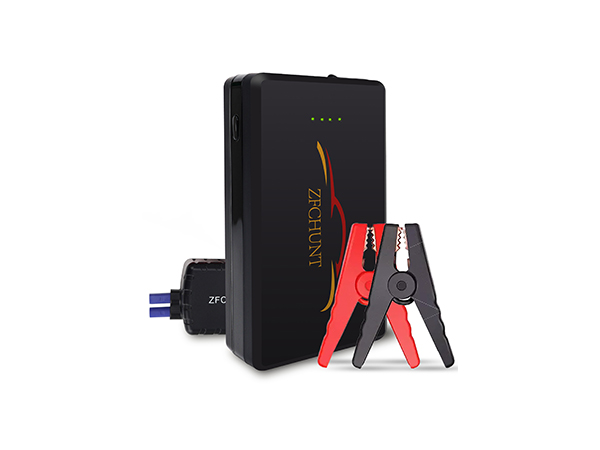
ZFCHUNT Motorcycle Lithium Batteries 3Month HandsOn Review Real Experience
This is a real hands-on review of ZFCHUNT Motorcycle Lithium Iron Phosphate Batteries, conducted by a senior motorcycle maintenance technician with 12 years of industry experience during daily commute
-
Shenzhen Kangkedi Launches Custom OEM 3C Battery Solutions
Global OEM/ODM provider delivers certified, tailored battery packs for digital 3C devices with flexible production capabilitiesShenzhen, China – 2026 – Shenzhen Kangkedi Intelligent Technology Co., Lt
-
Partnering with Chinese OEM Toy Battery Manufacturers 2026 Complete Guide Expert Insights
This professional guide is crafted by Shenzhen Kangkedi Intelligent Technology Co., Ltd. (ZFCHUNT), a leading global provider of new energy battery solutions with extensive OEM/ODM collaboration exper
-
2026 Global Industrial Lithium Battery Pack Industry Top 3 Challenges Expert Solutions Complete Guide
Shenzhen, China – 2026 – This guide is developed by the industry research team of Shenzhen Kangkedi Intelligent Technology Co., Ltd., a global leading provider of customized lithium battery solutions,
-
Shenzhen Kangkedi Intelligent Tech Trusted China Industrial Lithium Battery Pack Supplier
Globally Certified, Customized Battery Solutions for Industrial Equipment WorldwideShenzhen, China – 2026 – Shenzhen Kangkedi Intelligent Technology Co., Ltd. (global brand: ZFCHUNT), a leading new en
-
2026 Global Digital 3C Battery OEM Industry Top Challenges Expert Solutions Complete Guide
Shenzhen, China – 2026 – This guide is meticulously compiled by the industry research team of Shenzhen Kangkedi Intelligent Technology Co., Ltd., a global leading provider of new energy battery soluti
-
What Are Outdoor Energy Storage Lithium Batteries 2026 Complete Guide Expert Insights
This professional guide is crafted by senior R&D engineers from Shenzhen Kangkedi Intelligent Technology Co., Ltd., a global leading provider of new energy battery solutions with extensive oversea
-
2026 Global Outdoor Energy Storage Lithium Battery Industry Top 3 Challenges Expert Solutions Complete Guide
Shenzhen, China – 2026 – This guide is compiled by Shenzhen Kangkedi Intelligent Technology Co., Ltd., a leading global new energy battery solutions provider with 2 years of expertise. Based on a surv
